How Many Pounds Can a Rivnut Hold?
Leading Rivet Nut Manufacturer and Supplier in China
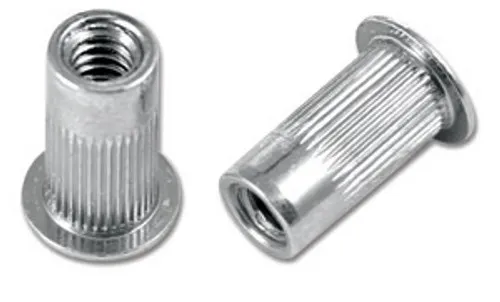
Rivnut, a highly efficient and reliable fastening solution, can quickly form a threaded connection point in plates or pipes accessible from a single side without the need for welding or support on the backside. Due to its ease of installation and stable structure, this blog will systematically address the question of “how many pounds can a rivnut hold”. The content is based on the experimental data from the Rivetfix engineering team and industry standards such as ISO 15977 and DIN 73378, combined with practical tests and application cases, to help readers correctly understand the true load-bearing capacity of Rivnut.
Table of Contents
The load-bearing capacity of a rivet nut is not a single indicator but a comprehensive performance determined by forces from multiple directions. Correctly understanding the relationship among these forces is crucial for ensuring structural safety and rational design.
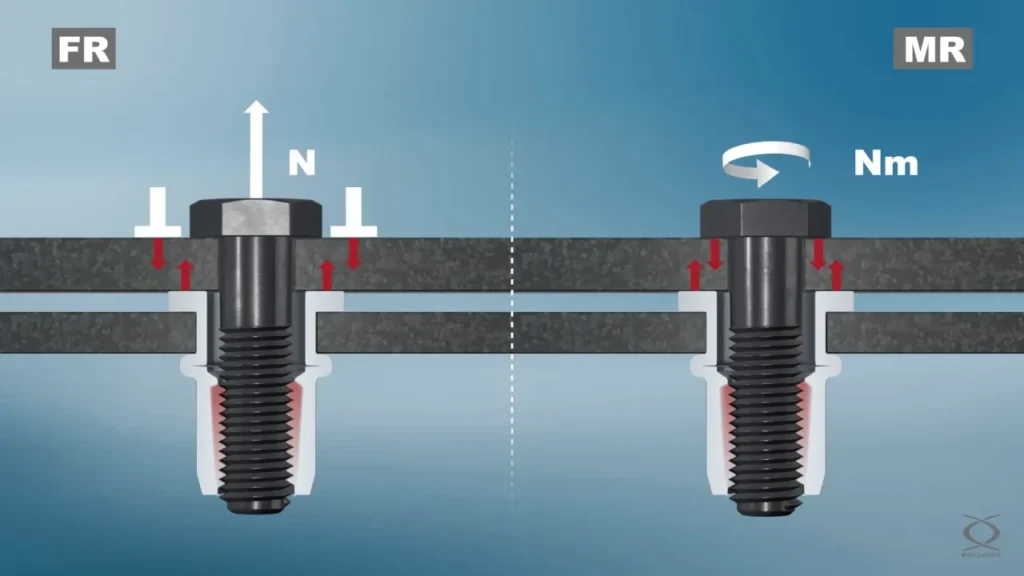
1. Pull-Out Strength
The tensile pull-out strength refers to the maximum load at which the rivet nut is directly pulled out of the hole when subjected to force in the vertical direction. This performance is closely related to the thickness of the substrate, the hardness of the material, the accuracy of the hole diameter, and the quality of the rivet ring formation. For example, for an M6 steel rivet installed on a 1.5mm steel plate, its typical tensile pull-out strength can reach 900–1200 lbs (approximately 400–550 kgf).
If installed on aluminum plates, the strength usually decreases by approximately 25–30%. To enhance the uplift resistance, Rivetfix recommends choosing flat-head or knurled type rivet nuts in the design to increase the contact area of the retaining ring.
2. Shear Strength
The shear strength refers to the ability of a rivet nut to resist slipping or breaking when subjected to force in the plane direction. In most engineering scenarios (such as equipment supports, vehicle body connections), shear force is often more common than tensile force. The shear performance mainly depends on the wall thickness of the nut, the depth of the thread engagement, and the tensile strength of the bolt.
For instance, for the same M6 steel Rivnut, its shear strength can reach 1100–1400 lbs; while the aluminum nut is approximately 700–900 lbs. The Rivetfix test results show that when the hole wall accuracy is controlled within ±0.1mm and the compression ring is formed fully, the shear stability can be significantly improved.
3. Torque Strength
The torsional strength of the rivet nut refers to its ability to resist rotation or slippage, especially when tightening the bolts. Excessive torque can cause the nut to rotate within the hole or fail, while insufficient torque will affect the locking force. This performance is closely related to the anti-rotation structural design (such as hexagonal shape, anti-slip patterns), and the installation tension setting.
In Rivetfix ‘s torque test, the M6 anti-loosening rivet nut can withstand approximately 80–100 in-lbs (9–11 N·m) of torque in the steel plate, while the cylindrical type is about 70–80% of that. Therefore, it is recommended to use the anti-loosening design in high-vibration or high-torque applications to ensure long-term stability.
Rivnut Strength Chart
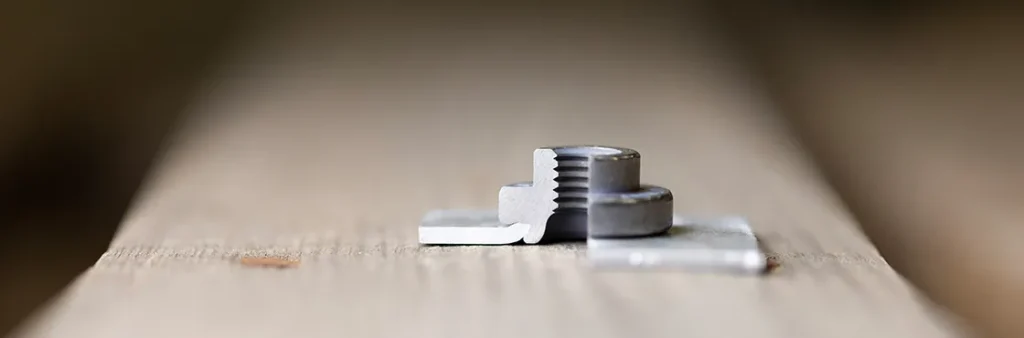
The bearing capacity of Rivnut is not a single numerical value; instead, it is determined by the pull-out strength, shear strength, and torque resistance.
Different combinations of specifications, materials and plate thickness will have a significant impact on the final load-bearing capacity. The following data are based on the internal test results of the Rivetfix Engineering Laboratory and are provided for reference only in the design and selection process.
Metric Series (Steel Rivnuts Installed in 1.5mm Steel Plate)
Test conditions: The thickness of the low-carbon steel plate is 1.5mm, and the installation uses the standard hole diameter and the recommended tension setting.
| Thread Size | Recommended Hole Size (mm) | Grip Range (mm) | Pull-Out Strength (lbs) | Shear Strength (lbs) | Torque Resistance (in-lbs) |
|---|---|---|---|---|---|
| M3 | 5.0 | 0.5–1.5 | 420 | 520 | 35 |
| M4 | 6.0 | 0.5–2.0 | 550 | 650 | 45 |
| M5 | 7.0 | 0.5–3.0 | 720 | 800 | 60 |
| M6 | 9.0 | 0.8–3.5 | 950 | 1,200 | 85 |
| M8 | 11.0 | 1.0–4.0 | 1,500 | 1,800 | 120 |
| M10 | 13.5 | 1.5–5.0 | 2,000+ | 2,400 | 160 |
| M12 | 16.5 | 2.0–6.0 | 2,800+ | 3,200 | 200 |
- The tensile strength increases as the thread specification increases, but at the same time, higher requirements are imposed on the plate thickness and installation force
- The shear strength is usually about 20-30% higher than the tensile strength, so it performs more stably in situations subjected to lateral forces.
- The torque performance is related to the anti-rotation structure. The flat head Rivnut performs best within the range of 80-100 in-lbs.
Aluminum Rivnuts (Installed in 2.0mm Aluminum Panel)
Test conditions: Aluminum alloy plate thickness 2.0mm, standard riveting settings.
| Thread Size | Recommended Hole Size (mm) | Grip Range (mm) | Pull-Out Strength (lbs) | Shear Strength (lbs) | Torque Resistance (in-lbs) |
|---|---|---|---|---|---|
| M3 | 5.0 | 0.5–1.5 | 300 | 340 | 25 |
| M4 | 6.0 | 0.5–2.0 | 380 | 420 | 35 |
| M5 | 7.0 | 0.5–3.0 | 520 | 600 | 45 |
| M6 | 9.0 | 0.8–3.5 | 700 | 800 | 60 |
| M8 | 11.0 | 1.0–4.0 | 980 | 1,050 | 80 |
| M10 | 13.5 | 1.5–5.0 | 1,300 | 1,400 | 100 |
- The aluminum Rivnut is suitable for lightweight structures, but its strength is approximately 60–70% of that of steel products.
- In scenarios requiring vibration resistance or high loads, it is recommended to choose stainless steel or carbon steel materials to ensure structural safety.
- For structures with surface coatings, the hole size should be appropriately enlarged (+0.05–0.1mm) to reduce assembly stress.
Data Statement:
All the data are based on the test results from Rivetfix ‘s internal laboratory conducted under controlled conditions. The actual performance may vary depending on the plate thickness, material hardness, hole diameter accuracy and installation method. It is recommended to conduct sample verification before formal mass production.
Factors That Affect Rivnut Holding Strength
The bearing capacity of rivnuts is determined by a variety of engineering parameters. Not all rivnuts can achieve consistent strength performance under the same conditions. The experimental data and field application experience of Rivetfix show that the structural strength is mainly influenced by five key factors: material thickness of the substrate, material combination, installation accuracy, head structure, and usage environment. Here is a detailed analysis.
① Base Material Thickness
The thickness of the sheet directly affects the quality of the “locking ring formation” and the pulling load capacity of the rivet nut. When the base material is too thin, there is insufficient expansion space for the rivet body, resulting in incomplete locking rings and uneven distribution of force. This makes it prone to detachment under high load conditions.
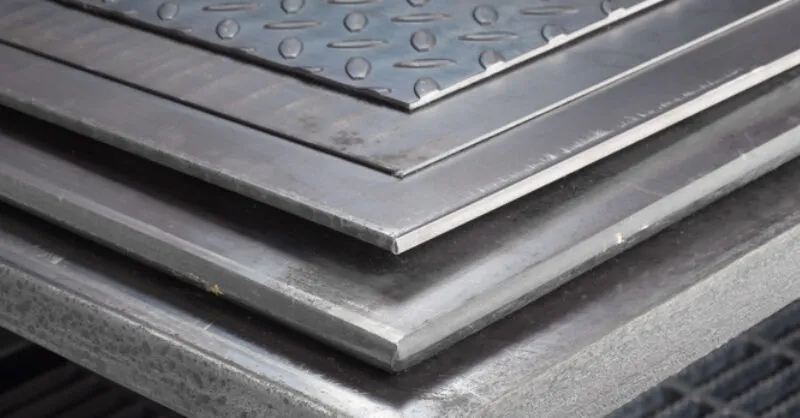
Rivetfix experimental data shows that when the plate thickness increases from 1.0mm to 2.0mm, the average tensile pull-out strength increases by 10–15%. During the design stage, it is advisable to choose the plate thickness that matches the Grip Range. If necessary, additional reinforcing gaskets or local flanging structures can be added at the stressed areas to enhance the load-bearing capacity.
② Material Combination
The material compatibility between the rivet nut material and the substrate has a significant impact on strength. The differences in strength and hardness of different metals determine the locking friction force and anti-rotation effect.

- Steel Rivnut: Has the highest load-bearing capacity and can withstand tensile strength exceeding 2,000 lbs; suitable for heavy-duty structures.
- Stainless Steel Rivnut: Exhibits excellent corrosion resistance and fatigue resistance, but requires higher installation force.
- Aluminum Rivnut: Lightweight, corrosion-resistant, but has a load-bearing capacity of approximately 60-70% of that of the steel type, making it more suitable for light-duty applications.
Rivetfix suggests: In the design process, both mechanical performance and electrochemical compatibility should be taken into consideration. For instance, for aluminum plate structures, aluminum Rivnuts should be preferred to avoid potential difference corrosion.
③ Installation Accuracy
The installation process accuracy is one of the most overlooked but crucial factors affecting the strength of Rivnut. If the drilling size is too large, the installation angle is not perpendicular, or the tension setting is incorrect, it will result in incomplete pressure rings or failure of the nuts to rotate. The Rivetfix test shows that when the installation deviation exceeds ±0.1mm or the tension deviation is 20%, the bearing capacity can decrease by 30–35%.
It is recommended to use a hydraulic or pneumatic riveting gun with force control system, ensuring that the riveting stroke and the pulling force remain constant. Regularly maintain the clamping claws to maintain consistent riveting and avoid fluctuations in strength between batches.
④ Head Style & Shape
The shape of the head of the rivet nut will affect the distribution of the force and the surface contact area.
- Flat Head: It has a large bearing area and the best tensile strength, making it the preferred choice for structural components.
- Countersunk Head: It has a smooth surface and is easy to conceal, but due to the smaller countersink, its strength is slightly lower.
- Reduced Head: It is used in situations with limited space or for light-load structures.
The pull-out strength of flat head rivet nuts is approximately 12–18% higher than that of countersunk-head rivet nuts under the same conditions. If the application environment involves high loads or frequent disassembly, the flat-head design should be preferred.

⑤ Vibration & Environment
Long-term vibration, shock or temperature cycling can cause micro-displacement, loosening or fatigue cracks in Rivnut. High humidity, salt fog and temperature differences will accelerate metal corrosion, reducing the anti-torsion strength and tightening stability. To cope with harsh environments, Rivetfix offers the following engineering solutions:
- Anti-rotation toothed Rivnut: The hole wall is more securely interlocked, preventing rotation and loosening.
- Anti-loosening coating (Pre-applied Locking Coating): Enhances vibration resistance and the reliability of repeated assembly.
- Corrosion-resistant coating (Zinc-Nickel / Dacromet / Anodized): Suitable for outdoor and marine environments.
For high-vibration equipment (such as vehicle chassis and industrial machinery), a combination of anti-torsion structure + anti-loosening adhesive coating should be selected, and a safety factor of 1.5 times should be reserved in the design to cope with dynamic loads.
Real-World Examples
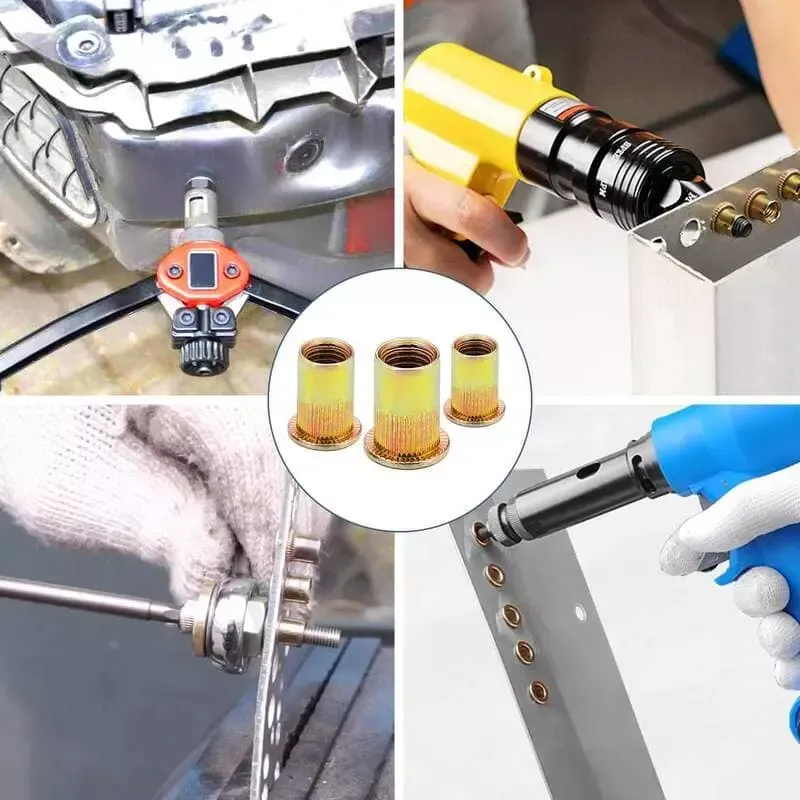
The wide application of Rivnut (rivet nut) has demonstrated its structural reliability and engineering adaptability in various industrial fields. The following presents three typical applications, along with specific load ranges and design points, to help engineers better understand its actual performance.
Automotive
From the body panel to the chassis accessories, Rivnut is used for single-sided accessible sheet metal structure connections.
- Common specifications: M6, M8
- Pull-out strength range: Approximately 900–1500 lbs (≈ 400–680 kgf)
- Application areas: Body panels, interior brackets, engine compartment accessories, sound insulation board installation, etc.
- Recommended materials: Carbon steel or stainless steel Rivnut, with serrated or hexagonal anti-loosening structure
The M8 steel rivnut installed on the 1.5mm steel plate has an anti-shear strength of 1800 lbs, which is sufficient to withstand the vibrations and impacts during vehicle operation.
Furniture & Equipment
In the structures of sheet metal equipment shells, industrial control cabinets, office furniture, etc., the advantage of Rivnut lies in easy installation, no need for welding, and neat appearance.
- Common specifications: M4, M5
- Pull-out strength range: Approximately 400–700 lbs (≈ 180–320 kgf)
- Application scenarios: Electrical control box fixing plates, metal furniture supports, mechanical enclosures, ventilation duct assembly
- Recommended materials: Aluminum or steel Rivnut (depending on load and anti-corrosion requirements)
Using M5 Rivnut in 2mm aluminum plate can achieve an anti-shear strength of up to 600 lbs. For scenarios requiring repeated assembly (such as maintenance hatches or electrical cabinet panels), the rivnut can avoid welding deformation, significantly reducing the cost of later maintenance. If the project emphasizes appearance and lightweight, a countersunk head aluminum Rivnut can be selected, which not only maintains aesthetics but also ensures sufficient clamping force.
Aerospace / Marine
In aerospace and marine engineering, Rivnut is mainly used for connecting lightweight structures, composite materials and environments requiring corrosion protection. These applications have extremely high requirements for material strength, fatigue life and corrosion resistance.
- Common specifications: M4, M5, M6
- Pull-out strength range: Approximately 600–1000 lbs (≈ 270–450 kgf)
- Application scenarios: Hull skin, instrument mounting plate, ship hatch fixation, composite material structure interface
- Recommended materials: Stainless steel Rivnut or aluminum Rivnut, with anti-twisting tooth design
The Rivetfix stainless steel Rivnut has been tested and has demonstrated an 800 lbs tensile pull force and 900 lbs shear force on 2mm aluminum alloy plates. It also passed the ASTM B117 salt spray test (for over 1000 hours), ensuring stable locking force even in marine and high-humidity environments such as those found in aviation.
FAQ
Q1: How many pounds can a steel rivnut hold?
The load-bearing capacity of the steel Rivnut depends on the thread specification, plate thickness and installation accuracy. In a 1.5mm steel plate:
M4 can withstand approximately 550 lbs of pulling force;
M6 weighs approximately 950 – 1200 lbs;
M8 can reach over 1800 lbs.
If a hexagonal anti-rotation structure or a thicker sheet material is adopted, the strength can be increased by approximately 20–30%.
Q2: What is the pull-out strength of an M6 rivnut in aluminum?
Install M6 aluminum Rivnuts in a 2.0mm aluminum plate. The average tensile pull strength of these Rivnuts is approximately 700 lbs (≈ 317 kgf). If stainless steel Rivnuts are used instead, the strength can be increased to 800–900 lbs. The thicker the plate and the higher the hole precision, the more complete the rivet ring formation, and the higher the strength. When the plate thickness increases from 2.0mm to 3.0mm, the pull force of the M6 rivets increases by approximately 15–18%.
Q3: Do rivnuts lose strength over time?
Under normal operating conditions, Rivnut will not significantly reduce its strength. However, if it is continuously exposed to high vibration, temperature cycling, or corrosive environments, there may be slight displacement and a decrease in locking force.
The durability test conducted by Rivetfix shows that for standard steel Rivnuts, after 1,000,000 vibration cycles, their residual pull force still maintains over 90% of the initial value.
It is recommended to choose the model with the anti-rotation tooth pattern structure and anti-loosening adhesive coating, which can significantly extend the fatigue life. At the same time, regularly check the torque and bolt preload force to ensure long-term stability.
Q4: Can I increase holding power by using a washer or larger head?
Yes. Increasing the contact area can significantly enhance the uplift and shear resistance. By using large-cap flat-head Rivnut or installing a bearing washer on the back of the structure, the tensile strength can be increased by approximately 10–25%, while also distributing the stress and reducing the deformation at the hole opening.
Notes: When using the washer, ensure that the plate thickness matches the clamping range to avoid false connection or local deformation due to insufficient clamping force.
Q5: What’s the best rivnut type for high-vibration environments?
In environments with high vibration, high impact or frequent load changes, the following options should be given priority:
- Anti-rotation toothed type (Knurled / Serrated Body) or Hexagonal anti-loosening Rivnut;
- It is recommended to use Stainless Steel (A2/A4), which has higher friction and fatigue strength;
- It can be combined with Locking Patch and Sealing Washer.
Under the simulated vibration conditions of the vehicle chassis, the retention rate of the locking force of this structure exceeds 95%, which is approximately 30% better than the ordinary cylindrical design.
Conclusion

The load-bearing capacity of Rivnut is determined by the thread specification, material selection, base material thickness and installation accuracy. Only by scientifically selecting the components during the design stage and strictly controlling the hole diameter and riveting quality can the structure ensure stable tensile and shear strength.
Rivetfix conducts systematic tests and uses multi-material experimental data to verify the actual load-bearing performance of each model, and provides customers with a one-stop engineering service ranging from selection calculation, sample verification to on-site technical support. Whether it is for automotive structures, equipment casings, or aerospace anti-corrosion connections, Rivetfix always offers reliable guarantees for your projects with measurable and verifiable connection strengths.
Do You Have Any Questions?
Let Us Solve Your Problem
Buy Rivet Nuts from Rivetfix

As a leading fastener manufacturer in China with more than 15 years in the industry, Rivetfix are committed to providing first-class quality fasteners and responsive services to the world. We offers a wide range of rivet nuts and clinch nuts designed to meet the unique demands of your projects. Rivetfix ensures you have the right solution for every application. Choose Rivetfix for versatile, cost-effective, and durable fastening solutions tailored to your specific needs. In addition, we can also provide customized rivet nuts service and clinch nuts according to your requirements.
Contact us now for more information and customization options on Rivet Nuts!
Get High Quality Rivet Nuts Quote!

Send Your Rivet Nut Request
For more than 20 years, Rivetfix has helped customers solve many rivet nuts sourcing needs and technical challenges.
Have a question? Contact us and we’ll provide you with the perfect solution.